Optimal Timing for Gravel Installations
Determining the optimal time for gravel installations depends on climate conditions, soil moisture levels, and project requirements. Generally, late spring to early fall offers the most favorable conditions for successful installation. During these periods, temperatures are moderate, and soil moisture is balanced, reducing the risk of shifting or settling issues.
Spring provides moderate temperatures and soil conditions ideal for gravel work, ensuring proper compaction and stability.
Summer offers extended daylight hours, but high temperatures and dry soil can complicate compaction efforts and may require additional moisture management.
Fall allows for installation before colder temperatures set in, with soil still sufficiently moist for effective compaction.
Winter is generally unsuitable due to frozen ground, low temperatures, and increased risk of frost heave affecting gravel stability.
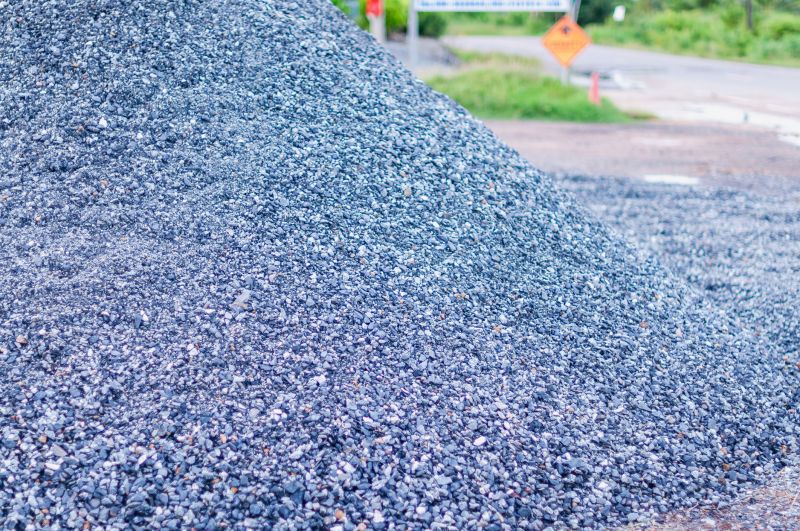
Spring is an ideal time for gravel installation due to favorable soil conditions.
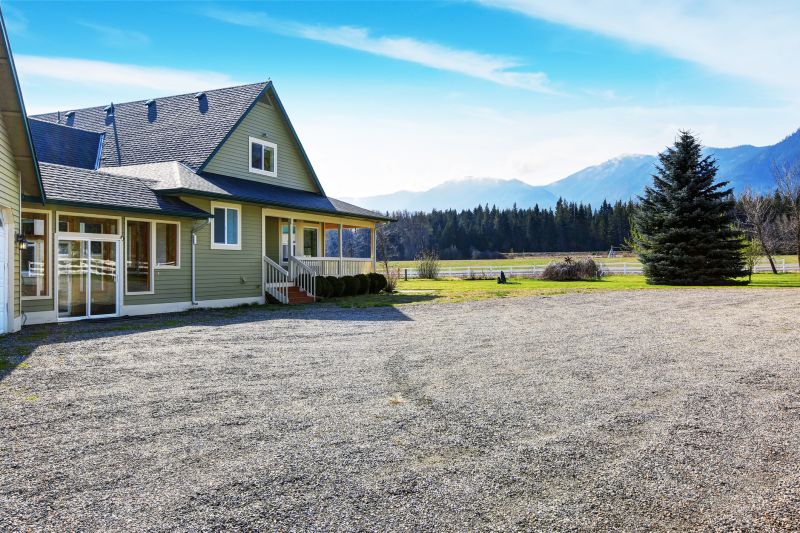
Summer requires careful moisture management for successful gravel installation.
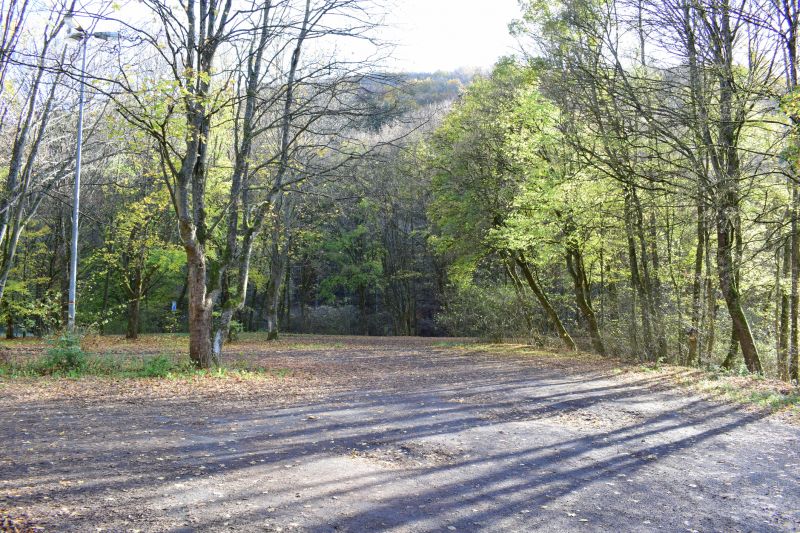
Fall offers suitable conditions before winter's onset.
Frozen ground and low temperatures hinder gravel installation efforts.
| Season | Ideal Conditions |
|---|---|
| Spring | Moderate temperatures, moist soil, good compaction |
| Summer | Warm temperatures, dry soil, requires moisture control |
| Fall | Cooler temperatures, moist soil, pre-winter installation |
| Winter | Frozen ground, unsuitable for installation |
Proper timing for gravel installations ensures optimal compaction, stability, and longevity of the surface. Installing during favorable weather conditions minimizes the risk of shifting, uneven settling, and future maintenance issues. Consider regional climate patterns and soil conditions when planning to achieve the best results.
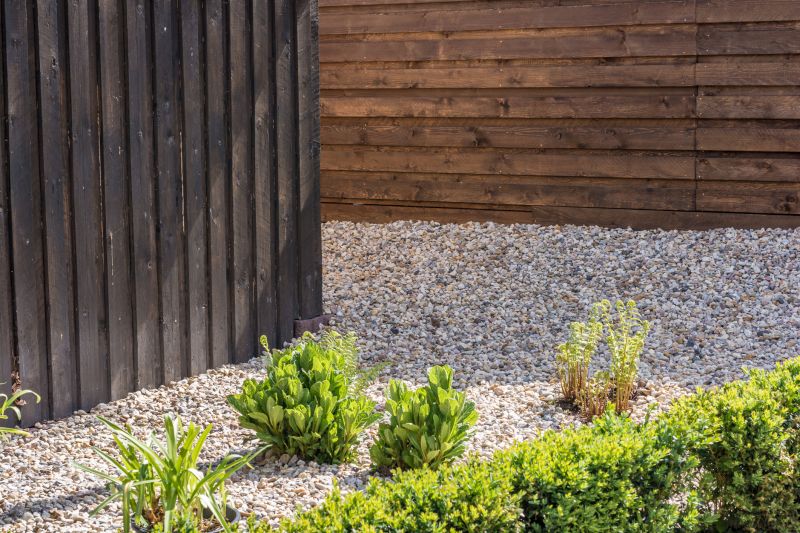
Preparing the site during spring ensures optimal conditions for gravel placement.
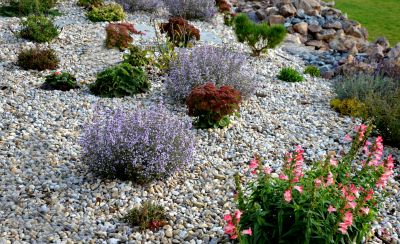
Summer requires attention to moisture levels for effective installation.
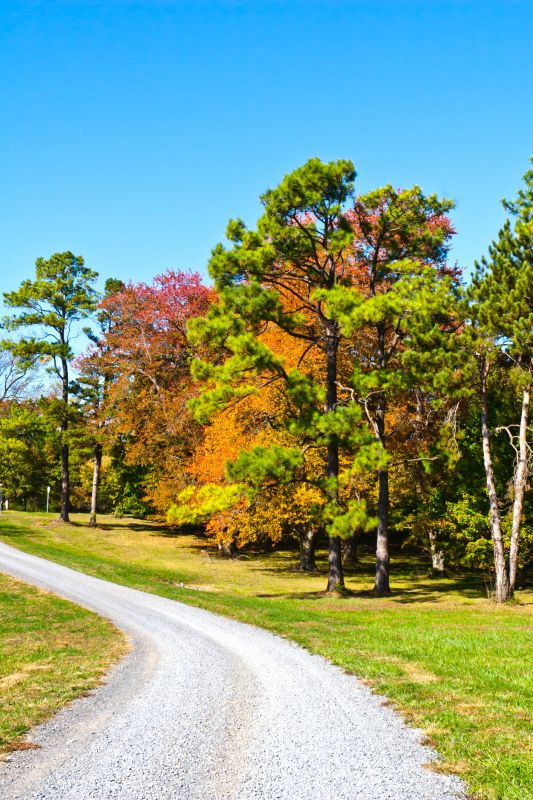
Fall is suitable for completing installations before winter.
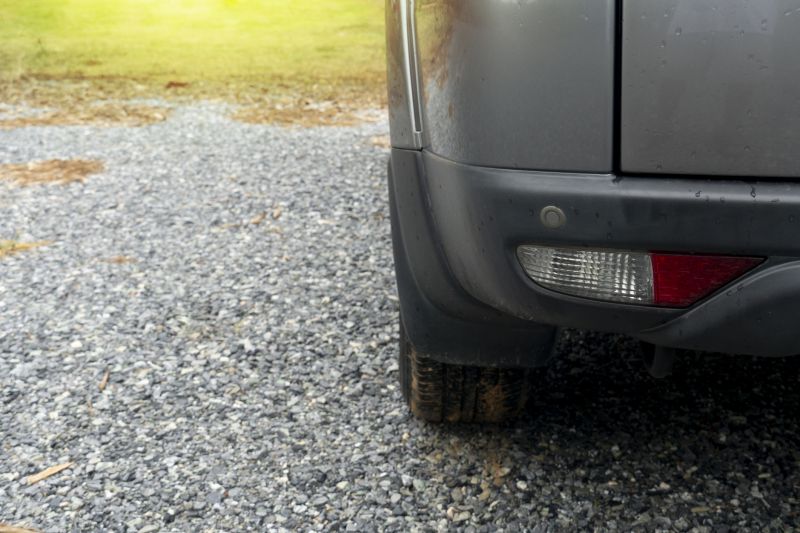
Frozen ground limits the feasibility of gravel projects.
The duration varies based on project size, typically ranging from a few hours to several days.
Weather conditions, soil type, and project complexity are key factors affecting timing.
Rain can delay installation due to muddy conditions and poor compaction, but light rain may be manageable.
Large projects benefit from scheduling during dry, moderate weather periods to ensure quality results.