
Top-Rated Products for Seamless Gravel Installation Results
Choose from high-quality materials and tools that help you achieve a clean and stable gravel surface.
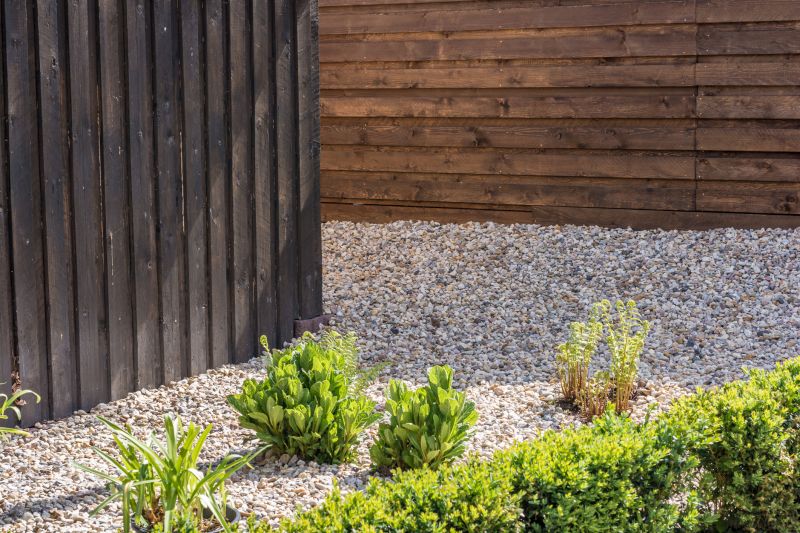 Creating a durable and functional gravel installation requires careful selection of the right products to ensure stability, longevity, and ease of maintenance. From foundational layers to surface treatments, a variety of materials and tools are available to help achieve the desired outcome for pathways, driveways, or decorative features. Proper planning and understanding of each product's role can significantly influence the success of your project.
Top Overall Option
Geotextile Fabric
A high-quality geotextile fabric acts as a foundational layer that stabilizes soil, prevents weed growth, and enhances the durability of gravel installations. Its permeability allows water to pass through while maintaining separation between soil and gravel layers, making it an essential component for long-lasting projects.
Types of Products For Gravel Installations
Crushed Stone
Various sizes of crushed stone serve as a primary base or surface layer, offering stability and drainage for gravel projects.
Gravel
Different types of gravel, including pea gravel and river rock, provide decorative and functional options for pathways and driveways.
Geotextile Fabric
A permeable fabric that stabilizes soil and prevents weed growth beneath gravel surfaces.
Edging Restraints
Materials like plastic, metal, or stone edging help contain gravel and maintain the defined shape of your installation.
Compaction Equipment
Tools such as plate compactors and hand tampers are used to compress gravel layers for stability.
Drainage Pipes
Perforated pipes facilitate water runoff and prevent pooling within gravel installations.
Landscape Fabric
A breathable fabric that prevents weed growth and soil mixing beneath gravel surfaces.
Leveling Rakes
Tools designed to evenly spread and level gravel during installation.
Sand
Used as a leveling layer or filler to create a smooth surface before laying gravel.
Edge Anchors
Devices that secure edging restraints firmly into the ground for long-term stability.
Vibration Plates
Power tools that help compact larger areas of gravel efficiently for a solid foundation.
Polymeric Sand
A joint filler that hardens to prevent weed growth and gravel displacement in paved areas.
Drainage Gravel
A finer gravel used specifically to improve water flow and prevent pooling.
Landscape Edging
Decorative and functional borders that define gravel areas and keep materials in place.
Vents and Catch Basins
Components that assist in managing water flow and preventing flooding in gravel installations.
Popular Choices
Widely used for driveways and pathways, offering good drainage and a natural look.
Small, rounded stones favored for decorative pathways and garden beds.
Commonly selected to improve soil stability and weed control beneath gravel surfaces.
Versatile and easy-to-install borders that help contain gravel and define spaces.
Popular for compacting large gravel areas efficiently and evenly.
Essential for managing water runoff and preventing erosion in gravel installations.
Frequently used to suppress weeds and separate soil from gravel layers.
Commonly used during installation to achieve an even surface.
Often applied as a base for leveling before laying gravel on top.
Preferred for compacting gravel in larger projects for stability.
Popular for filling joints in paved gravel areas to reduce weed growth and displacement.
Selected for improving water flow in gravel drainage systems.
Chosen for aesthetic edging that also contains gravel effectively.
A well-constructed gravel installation typically begins with a solid base layer that provides support and prevents shifting or sinking over time. This may include geotextile fabrics that stabilize the soil and prevent weed growth, as well as coarse gravel or crushed stone that forms the core foundation. Above this, finer gravel or crushed rock can be used for surface layers, offering a smooth, stable surface suitable for foot or vehicle traffic.
In addition to base and surface materials, accessories such as edging restraints, compaction tools, and drainage solutions are vital. Edging helps contain the gravel within designated areas, maintaining a neat appearance and preventing spreading. Proper compaction ensures the gravel layers are dense and stable, reducing settling and shifting. Drainage components like pipes or gravel filters help manage water flow, protecting the integrity of the installation during adverse weather conditions.
Selecting the appropriate products for gravel installations depends on the scope of the project, environmental conditions, and personal preferences. Understanding the differences between various gravel types, fabric options, and supporting tools can help you create a durable, functional, and visually appealing gravel surface tailored to your needs.
Key Buying Considerations
- Determine the primary purpose of your gravel installation, whether for pathways, driveways, or decorative features.
- Select the appropriate gravel type and size based on load requirements and aesthetic preferences.
- Consider the importance of soil stabilization and whether geotextile fabric is necessary for your project.
- Evaluate the need for edging materials to contain gravel and maintain the desired shape.
- Assess drainage requirements to prevent water pooling and erosion, choosing suitable pipes or gravel types.
- Ensure you have adequate compaction tools to achieve a stable and durable surface.
- Think about the environmental conditions, such as rainfall and soil type, which influence material choices.
- Plan for weed control solutions like landscape fabric or polymeric sand to reduce maintenance.
- Account for project size to determine the necessary quantity of materials and tools.
- Review compatibility of different products, such as gravel and fabric, to optimize installation quality.
- Consider ease of installation versus long-term maintenance when selecting products.
- Budget for quality materials that meet your durability and aesthetic expectations.
- Check product reviews and specifications to ensure suitability for your specific application.
- Think about future expansion or modifications to your gravel area to select flexible products.
- Prioritize safety and ease of use when selecting tools and accessories for installation.
This content contains affiliate links. We may earn a commission if you purchase through these links, at no additional cost to you.